PHOTO:123RF


“
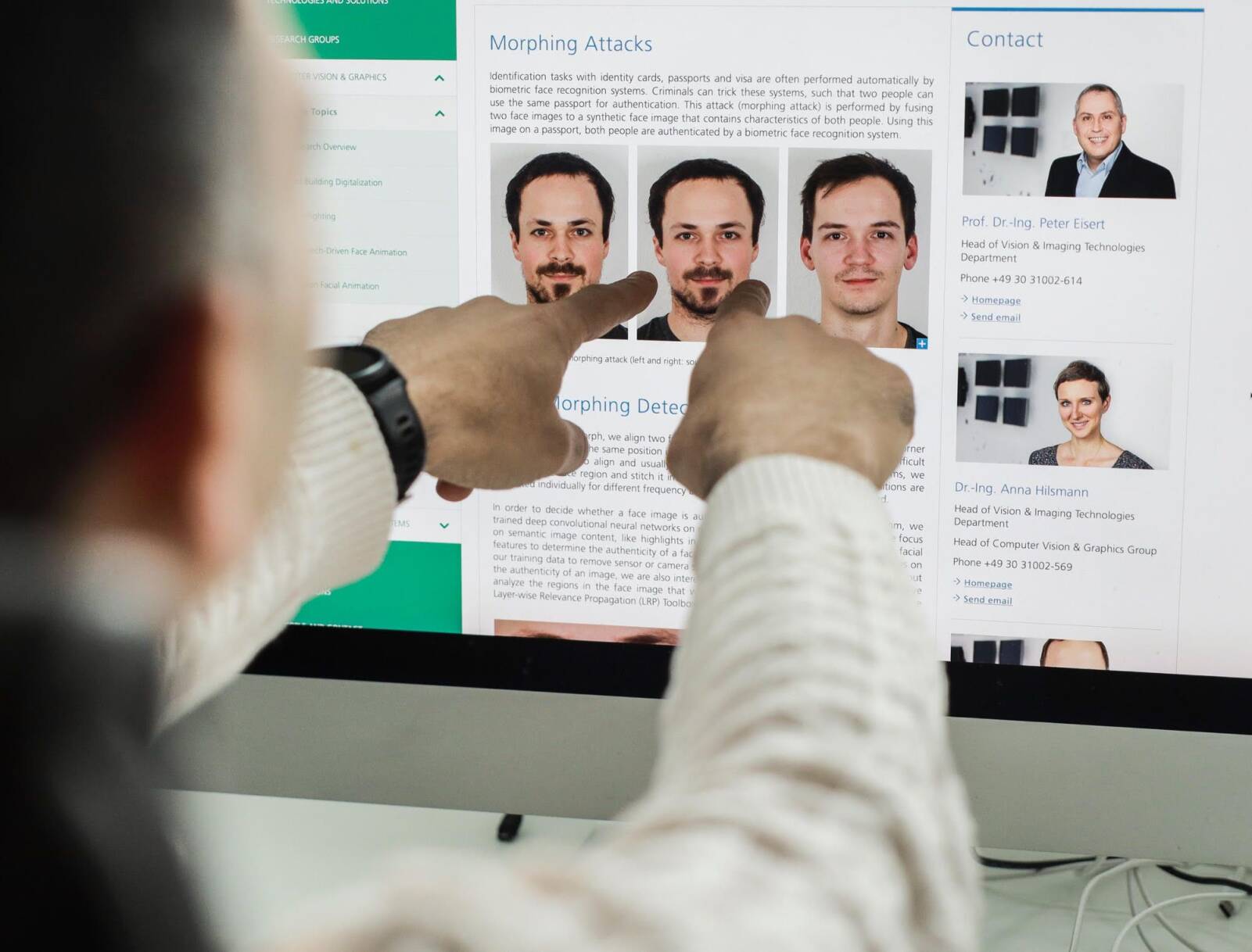
‘Face morphing allows one photo to be used by two different people who resemble each other.’
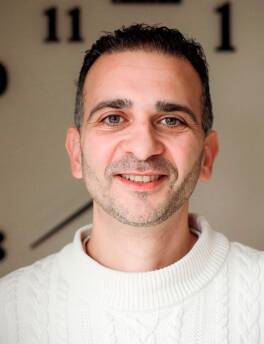
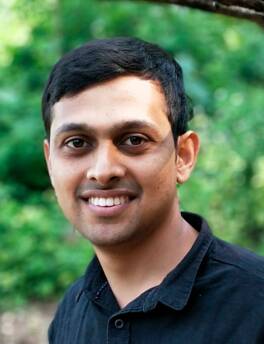
Examples of face morphing. Reprinted from Piccolos, E.-V.; Ioannou, Z.-M.; Paschou, M.; Sakkopoulos,
E. Face Morphing, a Modern Threat to Border Security: Recent Advances and Open Challenges. Appl. Sci. 2021, 11, 3207, Figure 1, under the Creative Commons Attribution 4.0 International License (CC BY 4.0), https://doi.org/10.3390/app11073207

PROPOSITION
Robert Terkola – Faculteit Medische Wetenschappen
Data are like seeds: value grows only when they are shared and nurtured.
TEXT: BAUKE VERMAAS
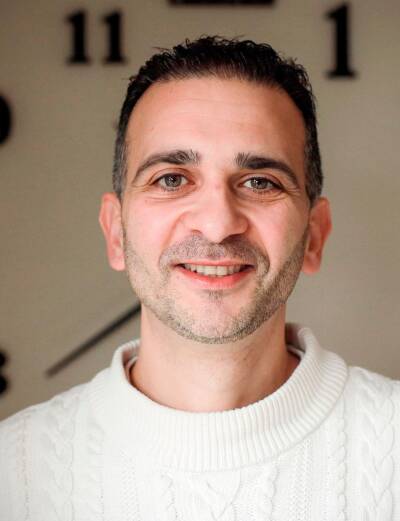
Professor George Azzopardi and postdoc Guru Bennabhaktula worked on
camera fingerprinting as a method to combat fraud involving photos for identity documents. The approach proved so promising that they are now entering the market
with their spin-off, ForensifAI. ‘Our method is not only useful for preventing identity fraud but can also help insurers detect false claims,’ says Bennabhaktula, who leads the Groningen-based startup as CEO.
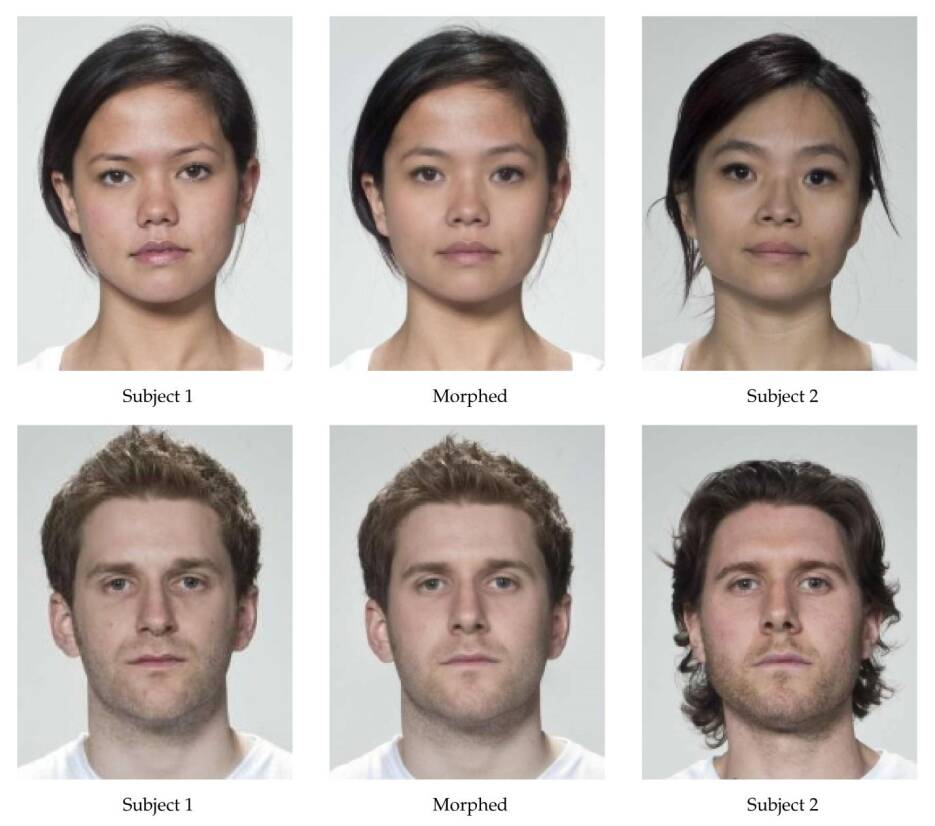
Image fraud
‘In a European research project on detection methods for child abuse, we demonstrated that we could link images to a specific camera using this fingerprint,’ explains Azzopardi, who led the Groningen portion of the EU research as professor of Pattern Recognition. ‘A news item caught the attention of the RDW (Rijksdienst voor het Wegverkeer, the Netherlands Vehicle Authority), which wants to verify the authenticity of photos used for driver’s licences.’ Through collaboration with the RDW, Azzopardi and Bennabhaktula – who earned his PhD on camera fingerprinting – were able to refine the concept using camera data from the registered photographers the RDW works with.
The founders see opportunities in multiple sectors where image authenticity is critical. ‘Think of journalistic images from war zones or disaster areas, or insurers handling minor damage claims based on photos that might be fake,’ says Azzopardi. Bennabhaktula adds: ‘Ultimately, we’d like to check every photo on social media for authenticity, but that’s still too complex for now.’
Economic value
‘We began to realize that our algorithm could be valuable in many sectors, especially after receiving the Ben Feringa Impact Award,’ says Bennabhaktula. ‘With the help of the University’s Business Generator, we launched ForensifAI together.’
The transition to the business world was an adjustment for the researchers. ‘We had to learn an entirely new vocabulary,’ laughs Azzopardi. As a co-founder, he is primarily involved in the scientific aspects, while Bennabhaktula handles the day-to-day management of the startup. For funding and entrepreneurial expertise, they receive support from various investment and development partners in the region. Additionally, the recent licence agreement with the University marks an important next step in commercializing their technology.
Fingerprint of a camera
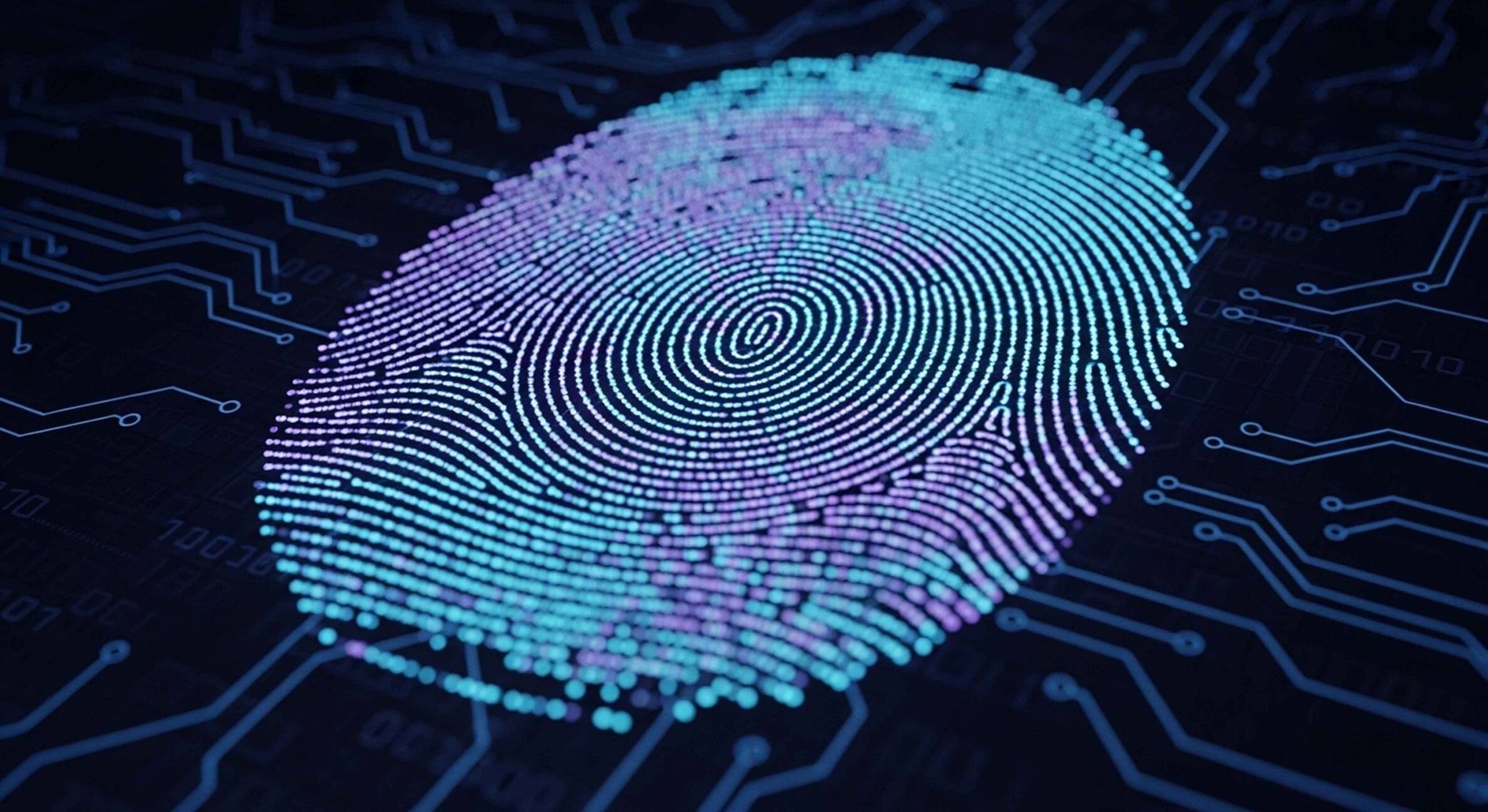
The increasing difficulty of distinguishing deepfakes and AI-generated images from real ones is a growing problem, particularly for identity documents. For example, face morphing allows one photo to be used by two different people who resemble each other. This enables them to use the same passport or driver’s licence.
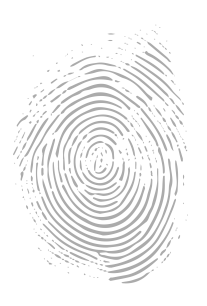
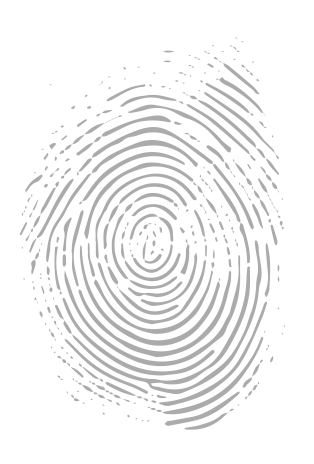
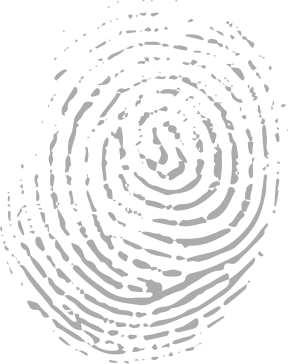
Developments in artificial intelligence are advancing so rapidly that detection methods struggle to keep up. ForensifAI bypasses this issue by examining manipulated photos differently. Instead of analyzing image features, they investigate whether the image was actually captured by a camera. Every camera sensor introduces tiny imperfections that create a kind of fingerprint on the image. This unique fingerprint is invisible to the naked eye but traceable using the algorithms developed by ForensifAI’s founders. AI-generated images lack such a fingerprint, and heavy manipulation of a photo alters it as well.
FOTO:123RF
PROPOSITION
Robert Terkola – Faculteit Medische Wetenschappen
Data are like seeds: value grows only when they are shared and nurtured.
“
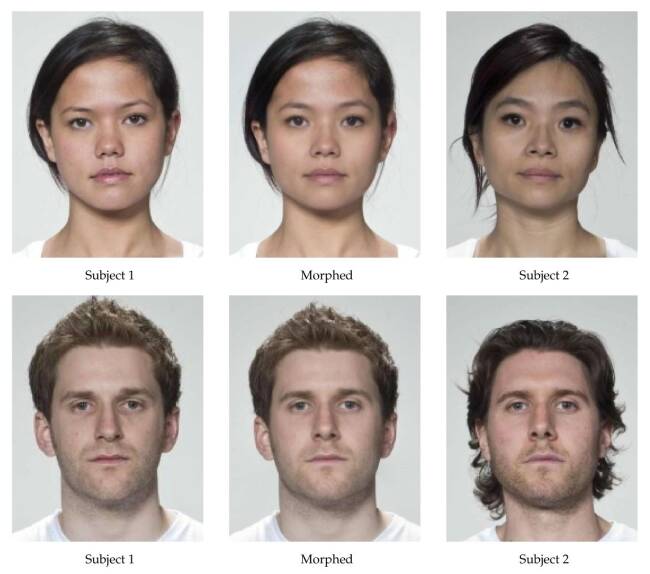
‘Face morphing allows one photo to be used by two different people who resemble each other.’
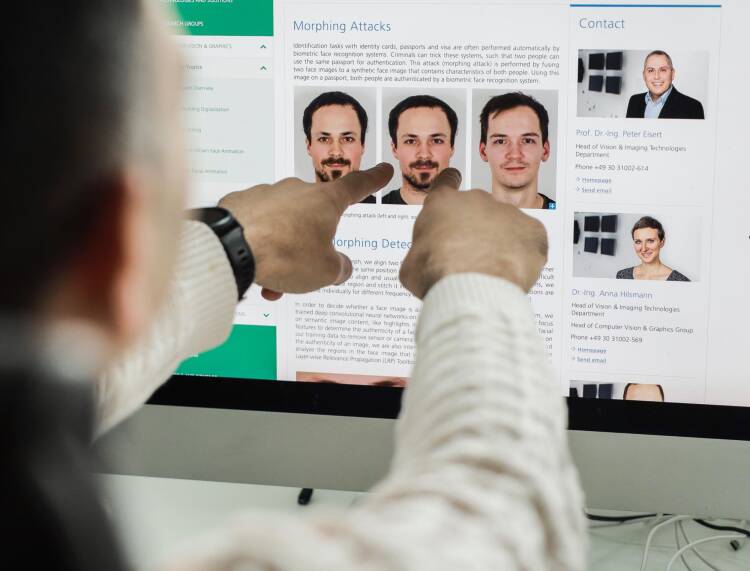
Image fraud
‘In a European research project on detection methods for child abuse, we demonstrated that we could link images to a specific camera using this fingerprint,’ explains Azzopardi, who led the Groningen portion of the EU research as professor of Pattern Recognition. ‘A news item caught the attention of the RDW (Rijksdienst voor het Wegverkeer, the Netherlands Vehicle Authority), which wants to verify the authenticity of photos used for driver’s licences.’ Through collaboration with the RDW, Azzopardi and Bennabhaktula – who earned his PhD on camera fingerprinting – were able to refine the concept using camera data from the registered photographers the RDW works with.
The founders see opportunities in multiple sectors where image authenticity is critical. ‘Think of journalistic images from war zones or disaster areas, or insurers handling minor damage claims based on photos that might be fake,’ says Azzopardi. Bennabhaktula adds: ‘Ultimately, we’d like to check every photo on social media for authenticity, but that’s still too complex for now.’
Economic value
‘We began to realize that our algorithm could be valuable in many sectors, especially after receiving the Ben Feringa Impact Award,’ says Bennabhaktula. ‘With the help of the University’s Business Generator, we launched ForensifAI together.’
The transition to the business world was an adjustment for the researchers. ‘We had to learn an entirely new vocabulary,’ laughs Azzopardi. As a co-founder, he is primarily involved in the scientific aspects, while Bennabhaktula handles the day-to-day management of the startup. For funding and entrepreneurial expertise, they receive support from various investment and development partners in the region. Additionally, the recent licence agreement with the University marks an important next step in commercializing their technology.
Examples of face morphing. Reprinted from Piccolos, E.-V.; Ioannou, Z.-M.; Paschou, M.; Sakkopoulos, E. Face Morphing, a Modern Threat to Border Security: Recent Advances and Open Challenges. Appl. Sci. 2021, 11, 3207, Figure 1, under the Creative Commons Attribution 4.0 International License (CC BY 4.0), https://doi.org/10.3390/app11073207
Fingerprint of a camera
The increasing difficulty of distinguishing deepfakes and AI-generated images from real ones is a growing problem, particularly for identity documents. For example, face morphing allows one photo to be used by two different people who resemble each other. This enables them to use the same passport or driver’s licence.
Developments in artificial intelligence are advancing so rapidly that detection methods struggle to keep up. ForensifAI bypasses this issue by examining manipulated photos differently. Instead of analyzing image features, they investigate whether the image was actually captured by a camera. Every camera sensor introduces tiny imperfections that create a kind of fingerprint on the image. This unique fingerprint is invisible to the naked eye but traceable using the algorithms developed by ForensifAI’s founders. AI-generated images lack such a fingerprint, and heavy manipulation of a photo alters it as well.
TEXT: BAUKE VERMAAS
Professor George Azzopardi and postdoc Guru Bennabhaktula worked on camera fingerprinting as a method to combat fraud involving photos for identity documents. The approach proved so promising that they are now entering the market with their spin-off, ForensifAI. ‘Our method is not only useful for preventing identity fraud but can also help insurers detect false claims,’ says Bennabhaktula, who leads the Groningen-based startup
as CEO.